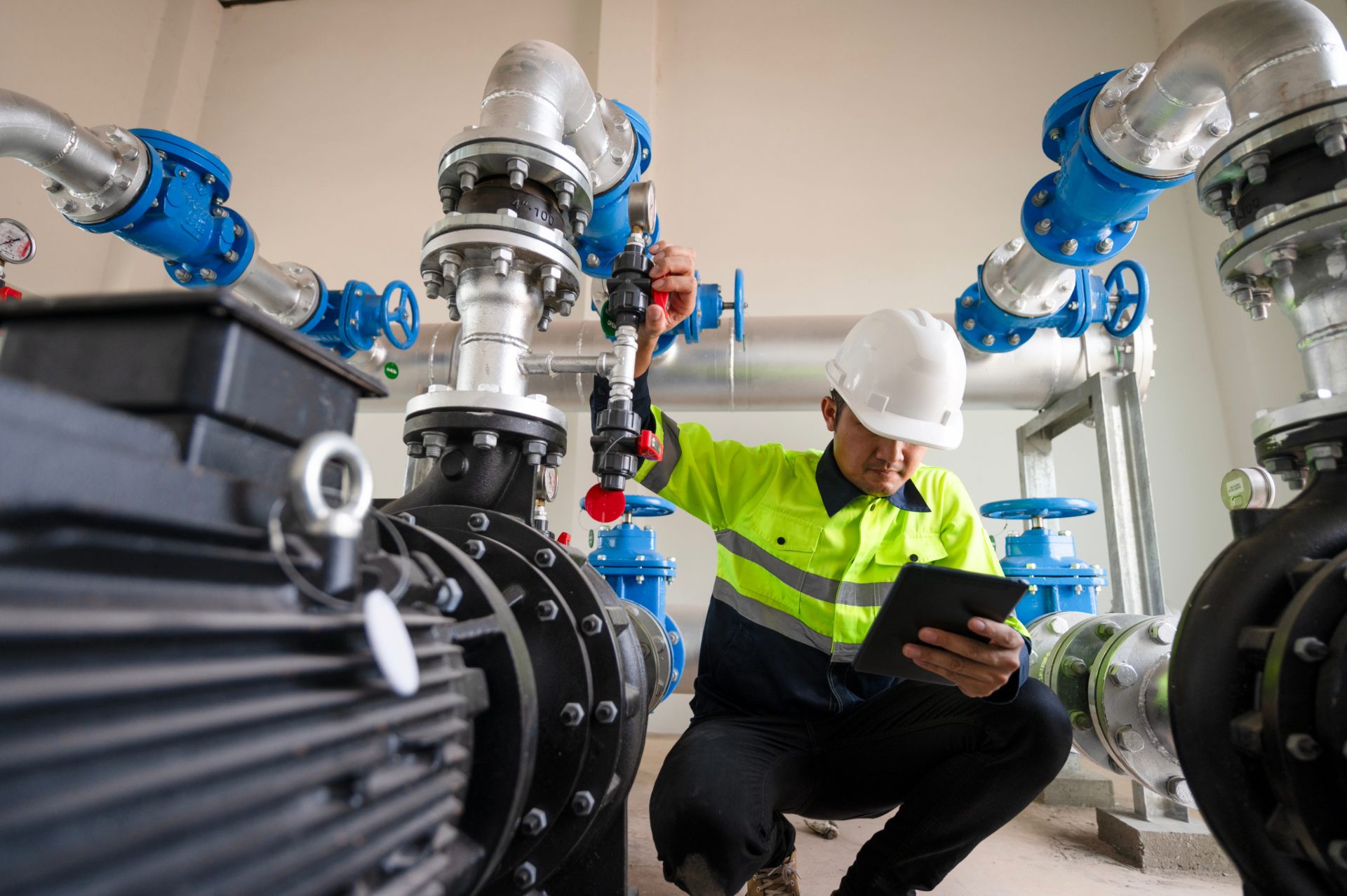
Industrial pumps play a vital role in numerous industries, including manufacturing, water treatment, oil and gas, and more. These pumps are essential for transporting fluids and ensuring smooth operations, making them a critical component in maintaining productivity. However, when pumps break down, the costs associated with industrial pump repair can be substantial, both in terms of repairs and the downtime that can significantly disrupt operations.
Regular maintenance helps address both basic repairs and more complex pump issues, ensuring reliable operation for customers.
The potential consequences of equipment failure are significant, often resulting in costly repairs and delays. Hydraulic pump repair and grinder pump repair can be particularly expensive and time-consuming, often involving specialized labor and parts. Understanding and addressing customers’ service needs is a main goal of the company.
One of the most effective ways to avoid these unexpected costs is through regular maintenance. Routine checks and upkeep help identify and address issues before they escalate into major problems, reducing the likelihood of requiring industrial pump repair. Testing is a crucial part of the maintenance process to verify pump performance after repairs. This article will explore how implementing a consistent maintenance program can minimize the need for hydraulic pump repair and grinder pump repair, leading to long-term cost savings and improved equipment reliability.
Understanding Industrial Pumps and Their Importance
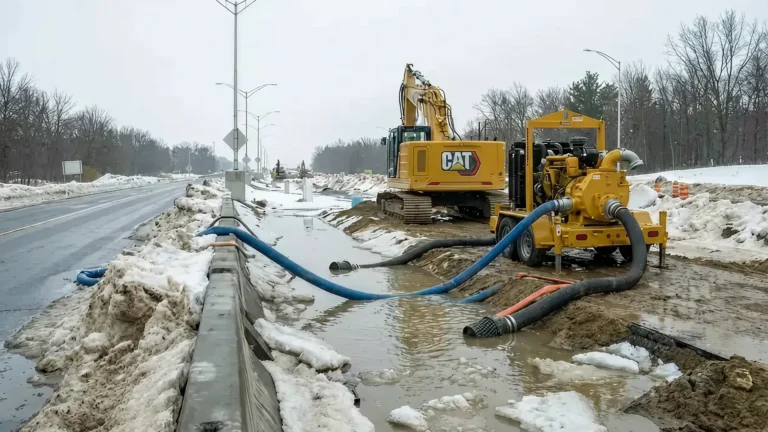
Industrial pumps are essential machinery used in a wide variety of applications, such as fluid transportation, drainage, and water treatment. Their primary function is to move liquids, gases, or slurries within a system, often under pressure. In manufacturing, water treatment, oil and gas industries, and beyond, pumps are crucial for maintaining operational efficiency. Without reliable pumps, operations can come to a halt, leading to costly downtime and significant repair needs.
There are several different types of industrial pumps, each suited for specific applications:
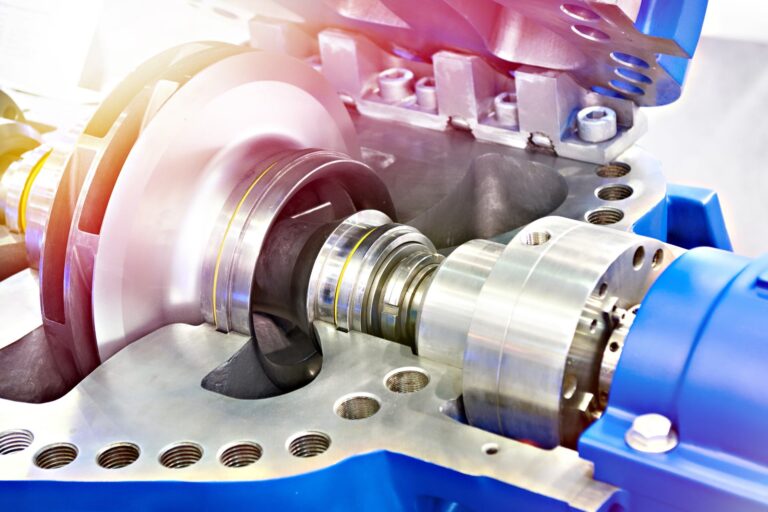
- Centrifugal Pumps: These pumps use a rotating impeller to move liquids through a system. They are commonly used for water supply and drainage, as well as in HVAC systems and other high-flow, low-pressure applications.
- Positive Displacement Pumps: These pumps move a fixed volume of fluid with each cycle, making them ideal for applications that require consistent flow under high pressure, such as in chemical processing and hydraulic systems.
- Diaphragm Pumps: These are a type of positive displacement pump that uses a diaphragm to move fluids. They are often used for transferring chemicals, slurries, and other abrasive or viscous materials.
- Gear Pumps: Gear pumps are a type of positive displacement pump commonly used for pumping oils, chemicals, and other viscous fluids in industrial applications.
- Vertical Turbine Pumps: Vertical turbine pumps are widely used in industrial and municipal water systems for their efficiency in moving large volumes of water from deep wells or reservoirs.
Our company provides pump service for a wide range of brands, including Byron Jackson, demonstrating our expertise in servicing and repairing both iconic and specialized pump equipment.
While these pumps perform critical functions, maintaining them is key to ensuring their longevity and preventing costly industrial pump repair. Pumps that are not regularly serviced or maintained can suffer from wear and tear, leading to performance degradation, decreased efficiency, and ultimately, failure. For example, failure to maintain a hydraulic pump repair schedule can result in overheating or internal damage to the pump, leading to expensive repairs and system downtime.
Additionally, grinder pump repair is often required when grinder pumps are not properly maintained, leading to clogs, motor failure, or other performance issues. Regular inspections and maintenance, such as checking for leaks, cleaning filters, and monitoring fluid levels, can help extend the life of industrial pumps and reduce the need for costly repairs.
In conclusion, maintaining industrial pumps through regular servicing and inspections is critical for ensuring optimal performance and preventing the need for hydraulic pump repair, grinder pump repair, and other types of industrial pump repair. Regular pump service for all pump types, including gear pumps and vertical turbine pumps, is essential to ensure reliability and efficiency. Regular maintenance not only helps prevent breakdowns but also ensures that pumps operate at peak efficiency, reducing operational costs in the long run.
Common Causes of Industrial Pump Failure
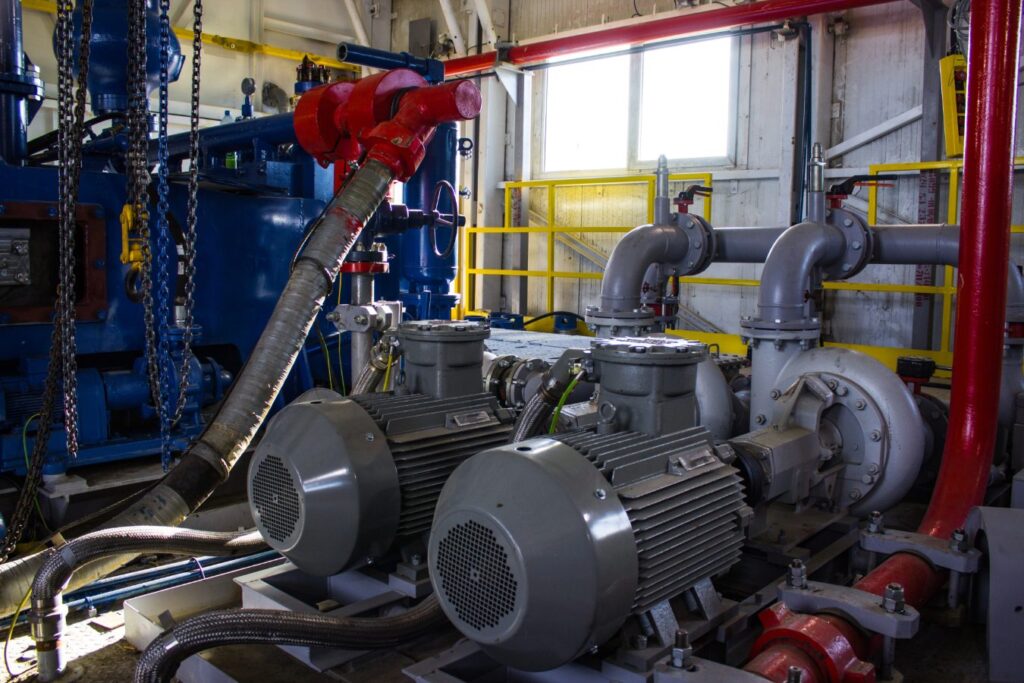
Industrial pumps are built to operate in demanding environments, but even the most robust pumps can fail due to various factors. Understanding the common causes of industrial pump failure can help prevent the need for costly industrial pump repair and extend the lifespan of the equipment.
Wear and tear over time due to continuous operation is one of the most common causes of industrial pump failure. As pumps operate, their components—such as bearings, seals, and impellers—naturally wear down. Over time, this gradual degradation can lead to inefficiencies and eventual failure. When this occurs, hydraulic pump repair or grinder pump repair may be necessary to restore function, as the damage can be irreversible if not addressed promptly.
Lack of lubrication and improper maintenance procedures are other frequent causes of pump failure. Lubrication is essential for minimizing friction and wear on moving parts, and without regular lubrication, the pump’s internal components can become damaged. Poor maintenance practices, such as failing to clean the pump or check fluid levels regularly, can also lead to overheating, clogging, or erosion of parts. These issues can result in costly industrial pump repair services if not maintained properly.

Contamination is a leading factor in pump failure. Dirt, debris, or improper fluids entering the pump system can cause blockages, abrasion, and damage to internal components. For example, when a grinder pump becomes clogged with foreign particles, it may overheat, fail to function, or even sustain permanent damage. Regularly replacing filters, using clean fluids, and ensuring the system is sealed against contaminants can reduce the likelihood of such failures.
Corrosion and environmental factors also contribute to pump wear and failure. Pumps exposed to moisture, chemicals, or extreme temperatures can corrode over time, compromising their performance. Hydraulic pump repair is often needed when corrosion has weakened the pump’s components, affecting its ability to perform.
Finally, overloading or running the pump outside of operational parameters can lead to failure. Pumps designed for specific pressure or flow rates can be damaged if these limits are exceeded, resulting in performance issues or total failure. When a pump is constantly pushed beyond its capacity, it may need industrial pump repair or, in some cases, complete replacement.
By understanding these common causes of failure and implementing a proactive maintenance plan, contractors can minimize the need for costly repairs and keep industrial pumps operating at peak efficiency. Regular maintenance and early intervention are essential to preventing hydraulic pump repair, grinder pump repair, and other industrial pump repair needs.
The Role of Regular Maintenance in Preventing Industrial Pump Repair
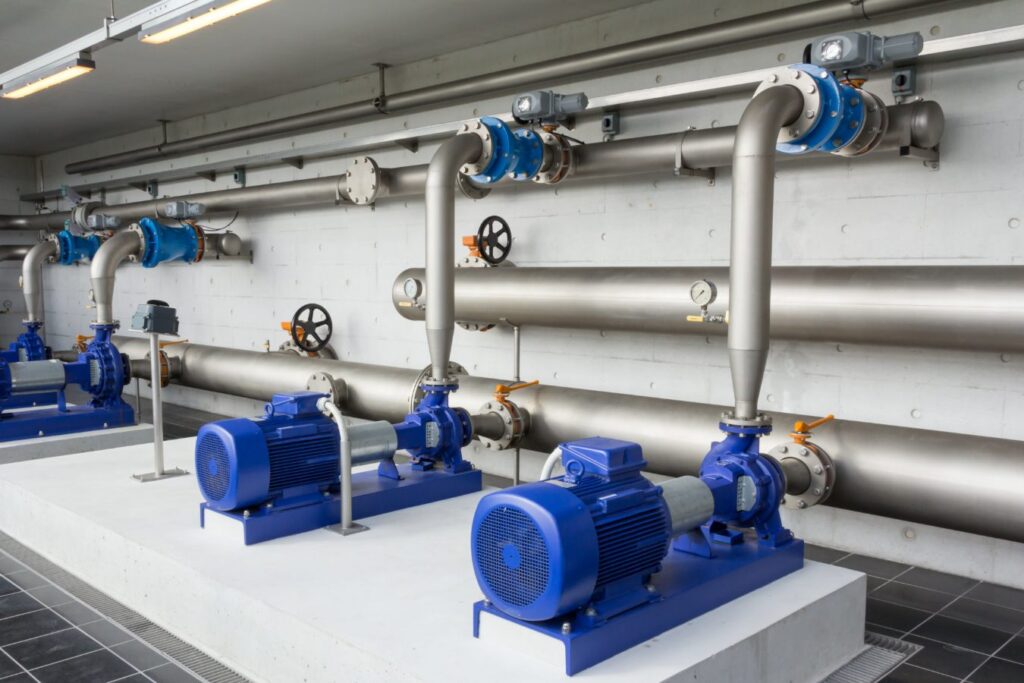
Regular maintenance is the key to preventing the need for industrial pump repair and ensuring the long-term reliability of your equipment. By incorporating routine checks and preventive practices, contractors can avoid costly repairs and downtime, improving the overall performance and lifespan of industrial pumps.
An overview of routine maintenance practices for industrial pumps includes regular inspections and cleaning. Ensuring that all components of the pump, including seals, bearings, and motor components, are checked routinely can help identify wear and tear before it leads to significant damage. Regular inspections are especially important for hydraulic pump repair and grinder pump repair, where early detection of minor issues such as leaks or unusual noises can prevent major breakdowns.
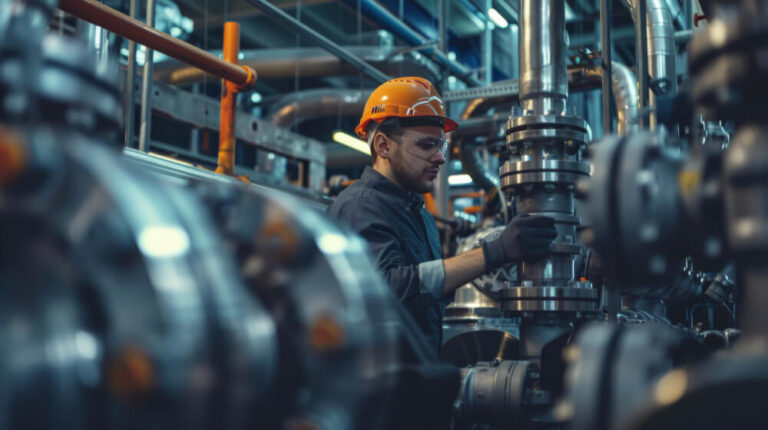
Benefits of regular inspections: During inspections, seals, bearings, and motor components should be checked for signs of wear, cracking, or damage. These components are essential for smooth operation, and if left unchecked, their failure can lead to costly industrial pump repair. Bearings that are worn down or seals that are deteriorating can cause the pump to become inefficient, leading to overheating or fluid leakage. Regular inspections ensure that these issues are identified and repaired early.
Importance of cleaning pumps and checking fluid levels regularly: Keeping pumps clean is another crucial aspect of maintenance. Debris, sludge, and contaminants can build up within the pump, leading to blockages or excessive wear. For hydraulic pump repair or grinder pump repair, a clogged system can cause increased stress on the pump, leading to eventual failure. Additionally, checking and maintaining fluid levels is critical for ensuring proper lubrication and cooling of internal components. Low fluid levels or contaminated fluids can quickly degrade the performance of the pump, requiring repairs that could have been avoided with regular maintenance.
Regular lubrication and monitoring for leaks are essential to keep pumps running efficiently. Without adequate lubrication, internal components such as bearings and seals will wear out prematurely, leading to the need for industrial pump repair. Additionally, regular monitoring for leaks ensures that any small issues are addressed before they escalate into more serious damage, which can require expensive hydraulic pump repair or even complete replacement.
Scheduling preventive checks is one of the most effective ways to avoid unexpected downtime and the need for grinder pump repair. Regularly scheduled preventive checks allow for the identification of potential issues before they cause failure. This proactive approach helps ensure that pumps are operating at peak performance, preventing costly repairs and reducing the need for emergency fixes.
By committing to regular maintenance, contractors can minimize the likelihood of industrial pump repair, including hydraulic pump repair and grinder pump repair, ultimately saving time and money while extending the life of their pumps.
Hydraulic Pump Repair: Prevention Through Maintenance
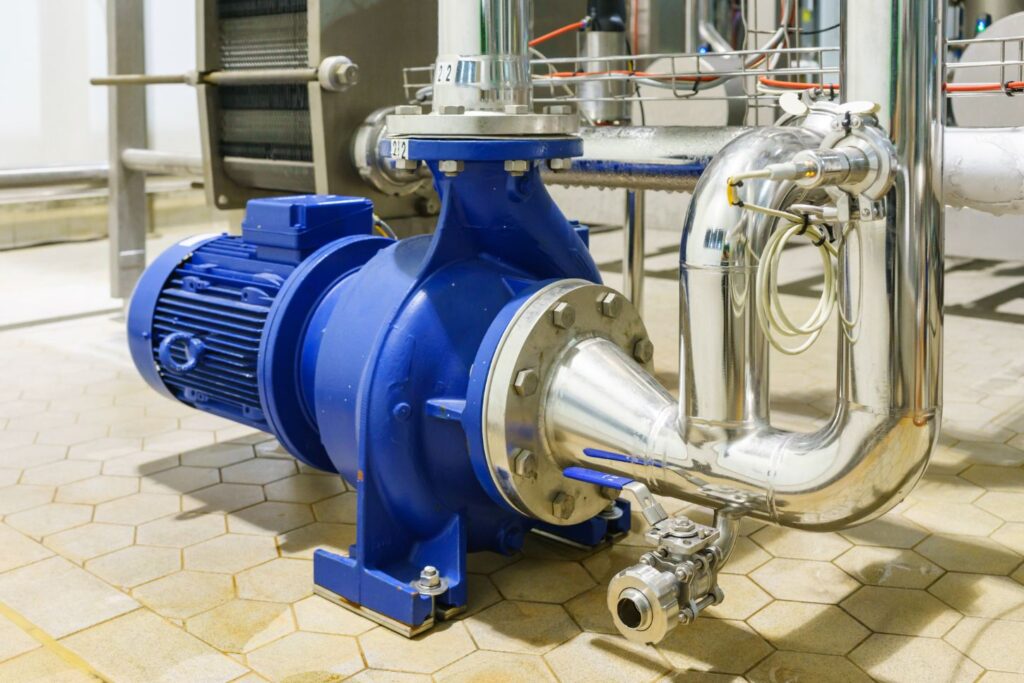
Regular maintenance is essential in preventing hydraulic pump repair and ensuring that hydraulic systems continue to perform efficiently. Hydraulic pumps play a critical role in many industrial applications, and their failure can disrupt operations and result in costly repairs. By following proper maintenance practices, contractors can avoid these issues and extend the life of their hydraulic systems.
Importance of monitoring pressure and fluid levels in hydraulic systems: One of the most crucial maintenance tasks is regularly monitoring the pressure and fluid levels in hydraulic systems. If pressure levels exceed or fall below the recommended range, it can lead to excessive wear on the pump components, resulting in industrial pump repair. Similarly, low fluid levels can cause inadequate lubrication, increasing friction and accelerating component wear. Keeping the hydraulic fluid at the correct levels and ensuring consistent pressure helps to maintain the pump’s efficiency and reduce the risk of failure.
Inspecting hydraulic pumps for signs of wear and proper alignment: Routine inspections of hydraulic pumps are vital in preventing industrial pump repair. Over time, hydraulic pump components like seals, bearings, and gears may wear down. Regularly checking for signs of wear, such as unusual noises or vibrations, can help identify potential issues before they become significant. Additionally, ensuring proper alignment of the pump and its components prevents misalignment, which can lead to inefficiency and mechanical damage, requiring costly repairs.
Cleaning and replacing filters to ensure clean fluid circulation: Contaminants in hydraulic fluid can damage the pump’s internal components. Regularly cleaning and replacing filters ensures that only clean fluid circulates through the system, preventing clogging, abrasion, and wear. This simple maintenance task reduces the likelihood of needing industrial pump repair due to contaminated or degraded fluid.
Checking hoses and connections to prevent leaks and reduce pressure drops: Leaks in hoses or connections can cause a loss of pressure, reducing the efficiency of the hydraulic system. By regularly inspecting hoses and tightening connections, contractors can prevent pressure drops and leaks, ensuring that the pump operates optimally and reducing the chances of industrial pump repair.
By maintaining regular upkeep, contractors can prevent hydraulic pump repair, ensuring the pump remains in good working condition, avoiding costly downtime, and extending the equipment’s service life.
Our main strengths as a trusted partner in hydraulic pump repair include reliable service, fast turnaround, and high-quality support, all focused on building a long lasting excellent relationship with our clients.
Pump Types and Maintenance
Industrial pumps come in a variety of types, each with its own set of maintenance requirements to ensure optimal performance and reliability. Centrifugal pumps, positive displacement pumps, and submersible pumps are among the most widely used in industrial operations, and each demands specialized care. For example, centrifugal pumps often require regular bearing replacement to prevent vibration and maintain efficiency, while positive displacement pumps depend on timely seal replacement to avoid leaks and maintain pressure. Submersible pumps, operating in challenging environments, need frequent inspections to ensure that seals and electrical components remain intact.
To minimize costly downtime and avoid unexpected pump repair, it’s crucial to work with skilled technicians who understand the specific needs of each pump type. Industrial pump repair services should be tailored to the unique requirements of your equipment, ensuring that every component is maintained or replaced as needed. By investing in regular, type-specific maintenance, industrial operations can keep their pumps running smoothly, reduce the risk of breakdowns, and maintain efficient pumping across all systems.
Maintenance Schedule
Establishing a well-structured maintenance schedule is essential for keeping industrial pumps in peak condition and preventing unexpected failures. A comprehensive maintenance plan should include daily, weekly, and monthly inspections, as well as more in-depth quarterly and annual reviews. These checks should be customized to the specific needs of each pump, taking into account factors such as operating environment, usage patterns, and historical performance data.
By adhering to a consistent maintenance schedule, industrial operations can identify and address minor issues before they escalate into major problems that cause costly downtime. Regular maintenance not only ensures optimal performance and efficiency but also extends the lifespan of your equipment. Industrial pump maintenance is a cornerstone of equipment reliability, and a proactive approach to scheduling is key to minimizing disruptions and maximizing operational performance.
Parts Replacement
Timely parts replacement is a vital component of effective industrial pump maintenance. When critical components such as bearings, seals, or other internal parts begin to show signs of wear, prompt replacement is necessary to prevent performance issues and further damage. Maintaining an inventory of high-quality replacement parts allows for quick repairs, minimizing downtime and keeping operations running smoothly.
Industrial pump repair services should offer access to a comprehensive range of replacement parts, ensuring that repairs can be completed efficiently and to the highest standards. Using only top-quality components helps restore performance, reduce the risk of future breakdowns, and extend the overall lifespan of your pumps. Regularly scheduled parts replacement is a proactive strategy that safeguards against unexpected failures and reduces the need for costly repairs, supporting the long-term success of your industrial operations.
Certification and Standards
Choosing industrial pump repair services that adhere to strict certification and industry standards is essential for ensuring the highest quality repairs and long-term reliability. Look for providers that are ISO 9001 certified and follow guidelines set by organizations such as the American Petroleum Institute (API) and the American Society of Mechanical Engineers (ASME). These certifications demonstrate a commitment to quality, safety, and best practices in pump repair.
Certified services employ skilled technicians who are trained to address the specific needs of industrial pumps, ensuring that every repair meets rigorous mechanical and performance standards. By partnering with a certified repair provider, industrial operations can be confident that their pumps are restored to optimal performance, reducing the risk of future issues and supporting ongoing operational excellence.
Streamlining Operations
Streamlining operations through effective industrial pump maintenance is key to achieving maximum efficiency and reliability. By implementing efficient maintenance schedules, utilizing high-quality replacement parts, and selecting certified repair services, industrial operations can significantly reduce costly downtime and maintain optimal performance. Industrial pump repair Canada services offer customized solutions, leveraging the expertise of skilled technicians and experienced engineers to address the unique challenges of each facility.
Partnering with a trusted industrial pump repair service ensures that your pumps receive the attention they need to operate at peak performance. Regular maintenance, timely repairs, and professional rebuilds help extend the lifespan of your equipment, minimize the need for replacements, and support long-term operational reliability. By prioritizing maintenance and working with experts, industrial operations across Canada can achieve greater efficiency, reduced downtime, and sustained success.
Cost Savings: How Regular Maintenance Reduces Repair Costs
Regular maintenance plays a crucial role in reducing the costs associated with industrial pump repair. By proactively addressing small issues before they escalate, companies can avoid expensive, unplanned repairs and extend the lifespan of their equipment.
Cost breakdown: comparing the costs of regular maintenance vs. industrial pump repair. The costs of regular maintenance are generally much lower than the costs of industrial pump repair. Routine tasks such as lubrication, inspection, and cleaning prevent minor problems from turning into major failures. In contrast, industrial pump repair often involves significant labor costs, parts replacement, and downtime, which can be much more expensive than preventive maintenance. The long-term savings from maintaining equipment regularly far outweigh the potential costs of emergency repairs.
Reduced downtime and longer lifespan of pumps due to proactive care: Regular maintenance helps to keep industrial pumps running smoothly, minimizing the risk of failure and reducing downtime. By addressing potential issues early on, pumps can continue operating at peak efficiency for a longer period, thus reducing the need for costly industrial pump repair and avoiding operational delays.
Avoiding emergency repairs and unplanned maintenance costs: Emergency repairs can be very costly, both in terms of money and time. When a pump fails unexpectedly, the repair process often requires urgent attention and may lead to production stoppages. Routine maintenance allows companies to plan ahead and avoid the high costs associated with emergency industrial pump repair.
How companies can benefit from predictive maintenance and data monitoring: Predictive maintenance uses real-time data to forecast potential issues before they occur, further reducing the likelihood of industrial pump repair. By leveraging sensors and monitoring systems, companies can identify early signs of wear and perform repairs at the most opportune time, optimizing both efficiency and repair costs. This proactive approach significantly reduces unplanned repairs, providing substantial cost savings over time. The company’s commitment to customer satisfaction drives its focus on delivering reliable pump repair services.
The company provides industrial pump repair services across Western Canada and Stoney Creek, ensuring local expertise and fast response times.
Conclusion
Regular maintenance is crucial in preventing the need for industrial pump repair, ensuring that pumps operate efficiently and last longer. By staying proactive with inspections, lubrication, and cleaning, businesses can avoid the costly downtime and repairs that often arise from neglected equipment. Routine maintenance significantly reduces the need for hydraulic pump repair and grinder pump repair, saving both time and money in the long run. Investing in consistent maintenance practices helps businesses reduce repair costs, increase equipment reliability, and improve overall performance. Prioritizing maintenance as part of their operations strategy ensures that pumps continue to perform at their best and minimizes the risk of costly industrial pump repair, ultimately leading to a more productive and cost-effective operation.